
By Pavel Reed. Publisher: trophyparade Virtual Play Reading Desk.
A bright balance can make a game feel busy before you have touched a button. Social casino credits are easier to understand when you read them as part of the rules, rather than as a promise. This 2026 guide focuses on the small details that help you know what a screen is showing and decide whether its pace suits your break.
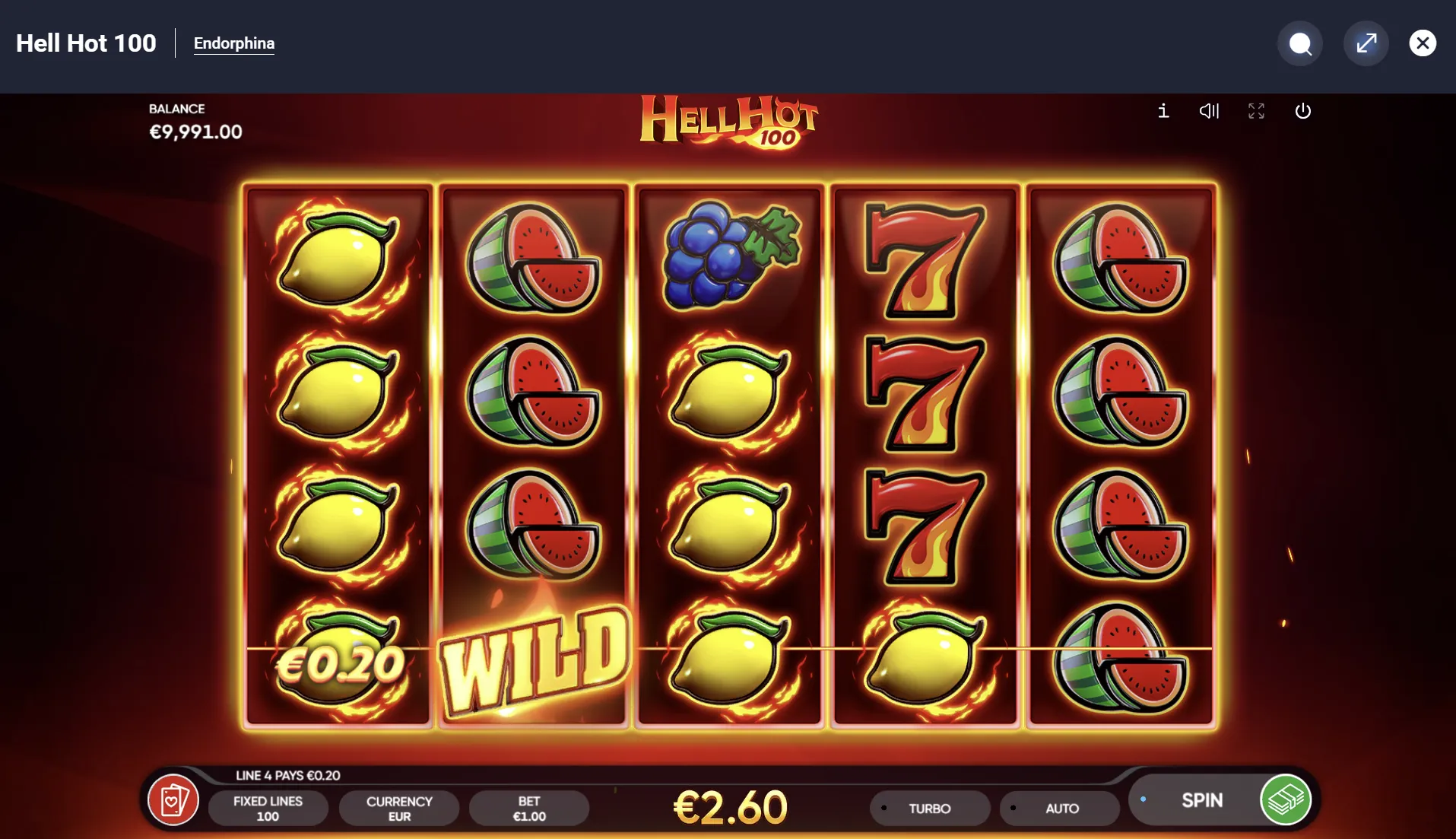
What the balance means
Start with the description of the game you have opened. A number labelled coins, points or credits describes a unit inside that experience; its name alone does not establish a cash value. On trophyparade, the existing site description says play is for entertainment, with no bets or prizes. Keep that context in view when colourful results appear.
Other services can use similar artwork for different arrangements, so do not carry assumptions from one screen to another. Look for a clear explanation of how a balance changes and what it can be used for. If that explanation is missing, leave the question open. A familiar coin symbol is decoration, not a substitute for written rules.
Separate three kinds of number
A running balance, a result from the last round and a progress meter may sit close together. They answer different questions: what remains, what just happened and how far a task has moved. Reading each label once can prevent a celebration from being mistaken for a lasting increase. Wait for the animation to finish before comparing figures.
First-round checks
Before using social casino credits, give yourself a quiet moment to inspect the controls. The useful test is whether you can explain the next action in ordinary words. You should know which button starts play and which setting changes the amount used. If two controls look alike, open the help panel instead of learning through repeated taps.
- Find the rules and identify the unit shown beside the balance.
- Read the round setting before starting a single manual round.
- Let the result settle, then compare the labelled figures.
- Locate the exit and finish when your planned break ends.
Use a small imaginary example to check your understanding: a starting balance of 100 points, a round using 5 and a result adding 2 would leave 97 if those are the only changes. This is arithmetic, not a description of this site’s game. A result panel can show an addition even while the overall balance has become smaller.
- Read the total round cost, not only a prominent result.
- Check whether progress and playable points are separate.
- Keep sound and automatic play settings within easy reach.
- Do not treat earlier outcomes as instructions for the next round.
When a setting changes, read its full label again before continuing. A different unit size can make the same number mean something different within the game. With social casino credits, the helpful habit is to compare like with like: the same unit, the same setting and a finished round. This keeps a quick check useful without turning it into a running scorecard.
If the figures still do not make sense, stop at the help text. Write down the label that confused you rather than guessing its meaning. Understanding one unclear term is more useful than starting another round to see what happens.
Compare screen labels
| Label | Question to ask |
|---|---|
| Balance | What unit remains available? |
| Round result | Is this an addition or the net change? |
| Progress | What task does this meter track? |
Clear social casino credits do not require a complicated spreadsheet. A short pause and readable labels are usually more useful than following every flash. For a shared evening, try our guide to social gaming with friends. If the figures feel cramped, the mobile social play guide covers screen comfort.
Author’s opinion
I prefer a game that explains its numbers without making me chase them. Social casino credits should support a pleasant few minutes, not become a target that decides when I may leave. My practical rule is simple: understand the labels, choose a stopping point and judge the session by whether it was enjoyable. A clear exit matters as much as a clear start.